
Benefits of Installing Solar Panels for Your Home
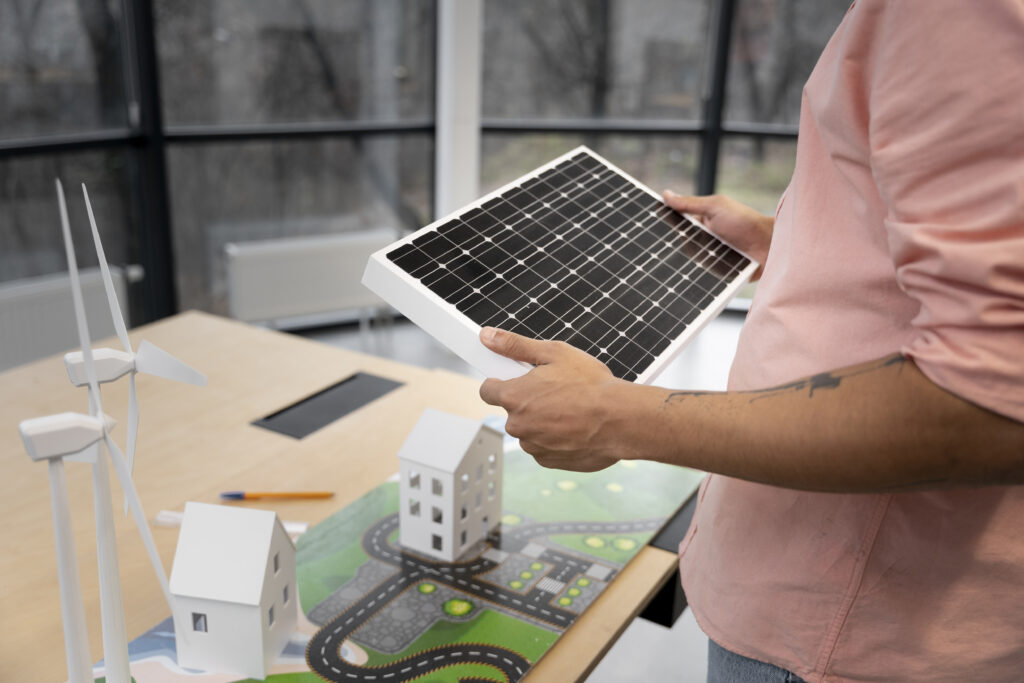
Solar energy is becoming one of the most popular and reliable sources of renewable energy for homeowners. Installing solar panels on your rooftop not only helps reduce electricity bills but also contributes to a cleaner and greener environment. As electricity prices continue to rise, many homeowners are switching to solar energy as a long-term solution for energy savings. One of the biggest advantages of solar panels is the significant reduction in monthly electricity expenses. Solar panels generate electricity from sunlight, which means you can rely less on traditional electricity supplied by power companies. Over time, the savings on electricity bills can help recover the initial investment of installing the solar system. Another important benefit is that solar energy is environmentally friendly. Solar panels produce clean energy without releasing harmful pollutants into the environment. By installing solar panels, homeowners can reduce their carbon footprint and help combat climate change. Solar systems also increase the value of your property. Homes with solar installations are often more attractive to buyers because they offer lower electricity costs and sustainable energy solutions. In many regions, government subsidy programs are also available to support residential solar installations, making the transition to solar more affordable. In addition, modern solar panels are designed to last for 20–25 years with minimal maintenance. This means homeowners can enjoy reliable and consistent energy production for decades. Overall, installing solar panels is a smart investment that offers financial savings, environmental benefits, and long-term energy security for homeowners.
Solar Energy: A Step Towards a Greener Future

Solar energy is one of the most sustainable and environmentally friendly sources of power available today. As concerns about climate change and pollution continue to grow, renewable energy solutions like solar power are becoming increasingly important. Solar panels convert sunlight into electricity without producing harmful emissions. Unlike traditional energy sources such as coal and natural gas, solar energy does not release carbon dioxide or other pollutants into the atmosphere. This makes it a clean and sustainable alternative for generating electricity. Another important benefit of solar energy is its abundance. Sunlight is available almost everywhere in the world, making it a reliable and renewable energy source. By harnessing solar power, communities can reduce their dependence on non-renewable energy sources and move toward a more sustainable energy system. Solar energy also helps reduce electricity costs over time. Although installing solar panels requires an initial investment, the long-term savings on electricity bills can be substantial. With government subsidies and incentives, solar installations are becoming more affordable for homeowners and businesses. In addition to financial benefits, solar power also creates job opportunities in manufacturing, installation, and maintenance sectors. The growing demand for solar energy is helping drive economic growth and innovation in the renewable energy industry. By choosing solar energy, individuals and businesses can contribute to a cleaner environment while enjoying reliable and cost-effective power solutions.
How Net Metering Helps You Save More with Solar

Net metering is one of the most beneficial policies for solar energy users. It allows homeowners and businesses to maximize the value of their solar power systems by connecting them to the electricity grid. When a solar power system generates more electricity than the property consumes, the extra electricity is sent back to the grid. Through net metering, the electricity provider credits the user for the excess energy supplied. These credits can then be used when the solar system produces less energy, such as during nighttime or cloudy days. This system ensures that solar users get the maximum benefit from their solar installations. Instead of wasting excess electricity, the energy is shared with the grid and credited back to the consumer. As a result, users can significantly reduce their overall electricity bills. Net metering also helps improve the efficiency of solar power systems. It allows users to balance their electricity consumption and production without needing expensive battery storage systems. This makes solar energy more practical and affordable for many households and businesses. Another advantage of net metering is that it encourages the adoption of renewable energy. By providing financial incentives to solar users, governments promote clean energy production and reduce reliance on fossil fuels. Overall, net metering plays a crucial role in making solar energy more beneficial and cost-effective. For anyone considering installing solar panels, understanding net metering can help maximize savings and energy efficiency.
Why Businesses Are Switching to Commercial Solar Power
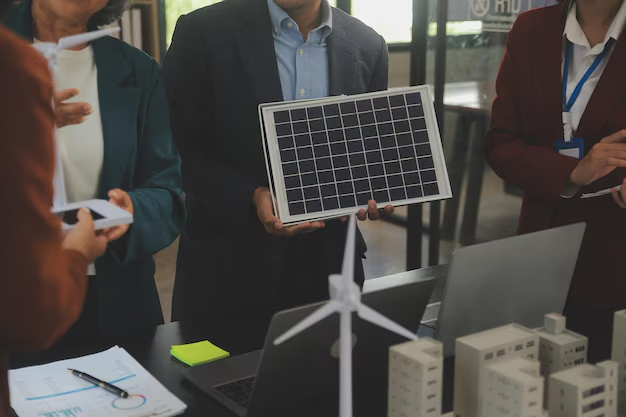
Commercial solar power systems are becoming increasingly popular among businesses looking to reduce operational costs and adopt sustainable energy practices. With rising electricity prices and increasing energy consumption, many companies are investing in solar power plants to meet their energy needs efficiently. One of the primary reasons businesses are switching to solar energy is cost savings. A commercial solar power plant can significantly reduce electricity expenses by generating power directly from sunlight. For businesses that operate large machinery, offices, or production units, solar energy can help lower energy bills and improve overall profitability. Another major advantage is energy independence. By installing a solar power system, businesses become less dependent on the traditional power grid. This ensures more reliable energy supply and protects companies from sudden electricity price increases. Solar power also enhances a company’s brand image. Businesses that adopt renewable energy demonstrate their commitment to environmental responsibility. This can improve their reputation among customers, investors, and stakeholders who value sustainable business practices. Additionally, many governments offer subsidies, tax benefits, and incentives to encourage commercial solar installations. These financial benefits make it easier for companies to invest in solar energy and reduce the overall cost of installation. Commercial solar systems are also durable and require minimal maintenance. Once installed, they can generate electricity for decades while helping businesses reduce their carbon footprint. In today’s competitive market, switching to solar power is not just an environmentally responsible choice but also a smart financial decision for businesses.